Meet the Bacterial Assassins: How Phages Are Revolutionizing Our Fight Against Superbugs 🦠💥
Hey science enthusiasts! Let's talk about one of the biggest silent threats in global health: antibiotic-resistant bacteria, aka superbugs. It's a scary thought that a simple infection could become untreatable, right? 😟
But what if nature already provided a perfect, precision-guided weapon against these superbugs decades ago? Enter the fascinating world of bacteriophages!
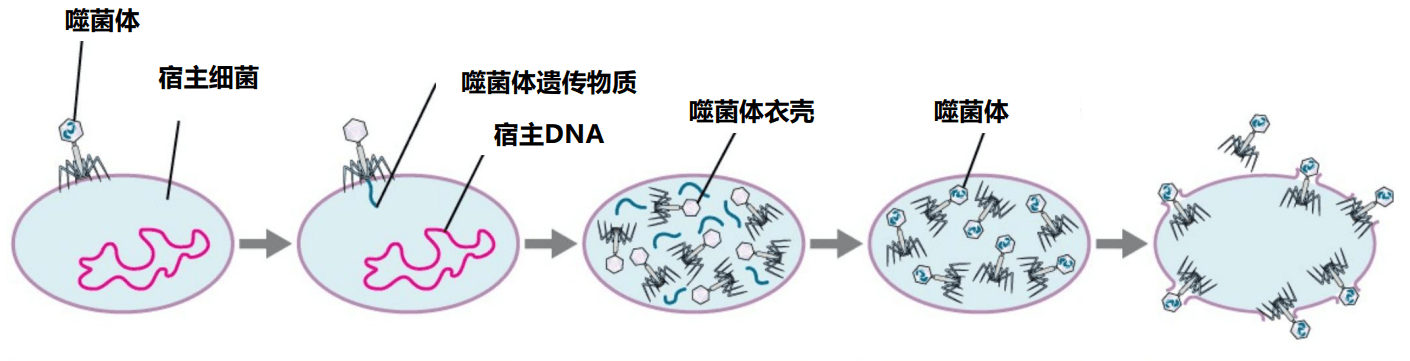
Artistic rendering of phages doing what they do best.
🧬 What Exactly is a Bacteriophage?
A bacteriophage (or "phage" for short) is a virus that specifically infects and kills bacteria. Think of them as tiny, highly specialized assassins. They latch onto a specific bacterial strain, inject their genetic material, and use the bacterium's own machinery to replicate themselves until the cell bursts, releasing a new army of phages to hunt down their next target.
The best part? They are incredibly specific, meaning they leave our human cells and beneficial bacteria completely alone. It's like a targeted strike instead of a broad-spectrum antibiotic that flattens everything in its path.
✨ Why Phage Therapy is a Game-Changer
While antibiotics are becoming less effective, phage therapy offers a brilliant and natural solution. Here’s why scientists are so excited:
- Nature's Ninja: They evolve alongside bacteria, meaning they can overcome resistance mechanisms. It's an endless arms race that phages are built to win.
- Surgical Precision: Their specificity protects our precious microbiome—no more nasty side effects like antibiotic-associated diarrhea.
- Self-Amplifying Medicine: Once at the infection site, they can replicate, meaning a smaller dose might be all you need.
- Eco-Friendly: As they are natural biological entities, they break down organically after doing their job.
🔬 Supercharging Nature with Synthetic Biology
This is where it gets really cool. Scientists are now moving beyond just using natural phages. Using the tools of synthetic biology, they are creating the next generation: engineered phages!
This was even named one of the Top 10 Emerging Technologies of 2023 by the World Economic Forum! 🏆

How do you improve on nature? You make it safer and more powerful.
By editing phage genomes, researchers can:
- Delete any nasty genes to make them ultra-safe for therapy.
- Broaden their host range so one phage can target multiple bacterial strains.
- Enhance their killing power by equipping them with additional functional genes.
- Standardize them for consistent, off-the-shelf treatments.
It’s like taking a naturally skilled assassin and giving them better intelligence, sharper tools, and stricter rules of engagement.
🏥 From the Lab to the Clinic: Real Hope for Patients
This isn't just theoretical. There are growing numbers of compassionate-use cases where phage therapy has successfully treated patients with devastating, multi-drug resistant infections—especially life-threatening pneumonia and wound infections—when all antibiotics had failed.
The results have been nothing short of miraculous for some, giving hope where there was none.
| Infection Type | Bacteria Targeted | Method of Delivery | Outcome |
|---|---|---|---|
| Pneumonia | Drug-Resistant Pseudomonas | Nebulization | Improved, discharged |
| Pneumonia with Empyema | Multi-Drug Resistant Pseudomonas | Nebulization + Chest tube | Fully recovered |
🌊 Beyond Human Health: Aquaculture & Animals
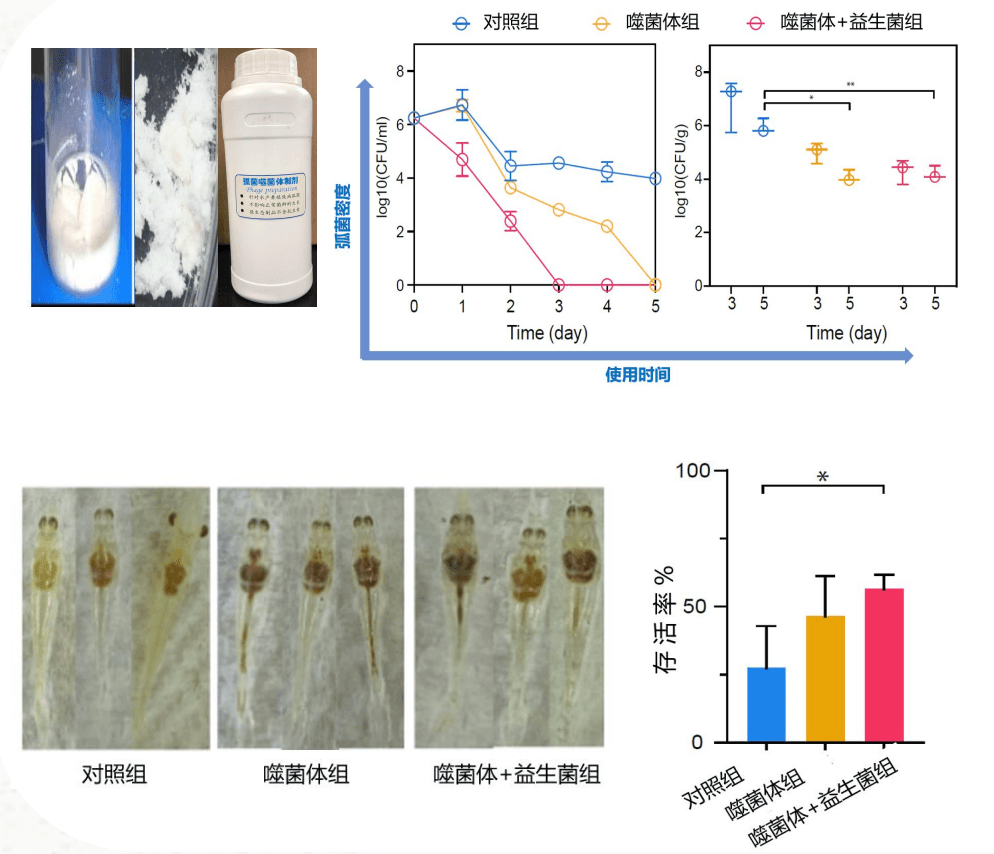
The potential doesn't stop in the hospital. Phages are being used to combat bacterial infections in aquaculture (like shrimp farming), helping to prevent massive outbreaks without antibiotics, leading to healthier food and a cleaner environment.
The Bottom Line
The rise of superbugs is a formidable challenge, but it's sparking incredible innovation. Phage therapy, especially when supercharged by synthetic biology, represents a powerful and elegant return to using nature's own wisdom to heal.
It’s a thrilling field to watch, blending microbiology, genomics, and medicine to create the next generation of antimicrobials.