🌱 The Invisible Revolution: How Microbes are Building a Better Future
Hey everyone! Let's talk about something that's all around us—and inside us—yet we rarely see it: the amazing world of microbes! 🦠
We often think of germs and sickness, but the truth is, the vast majority of microorganisms are our silent partners. Scientists are now learning to harness their incredible power in a field called biomanufacturing, and it's literally changing the game in medicine, agriculture, and more. It's like we've discovered a hidden superpower! 💥
🧪 The Journey from a Tiny Cell to a World-Changing Product
So, how do we go from a single bacterium in the soil to a life-changing drug or a super-efficient fertilizer? It's a fascinating process:
- 🔍 The Great Microbial Hunt: It all starts with discovery! Researchers explore diverse environments—from deep oceans to rich soils—to find unique microbes. A single scoop of dirt contains thousands of different species, each with the potential to produce something amazing, like a new enzyme.
- 🧬 The Genetic Makeover: Once a promising microbe is found, it's time for an upgrade! Using tools like genetic engineering, scientists can tweak its DNA to make it more efficient, stable, or capable of producing something entirely new. This is like giving a tiny factory a new, better blueprint.
- ⚗️ Brewing on a Giant Scale: This is where the magic happens at volume! The engineered microbes are placed in huge tanks called bioreactors (think giant, high-tech beer fermenters). Scientists perfect the "recipe"—the nutrients, temperature, and conditions—to help them multiply and produce the desired compound efficiently.
- 📦 Making it User-Friendly: The final step is turning that microbial product into something we can actually use. This could mean turning it into a stable powder, a easy-to-swallow capsule, or a liquid solution that farmers can spray on their fields.
🌾 Microbes to the Rescue: In Agriculture
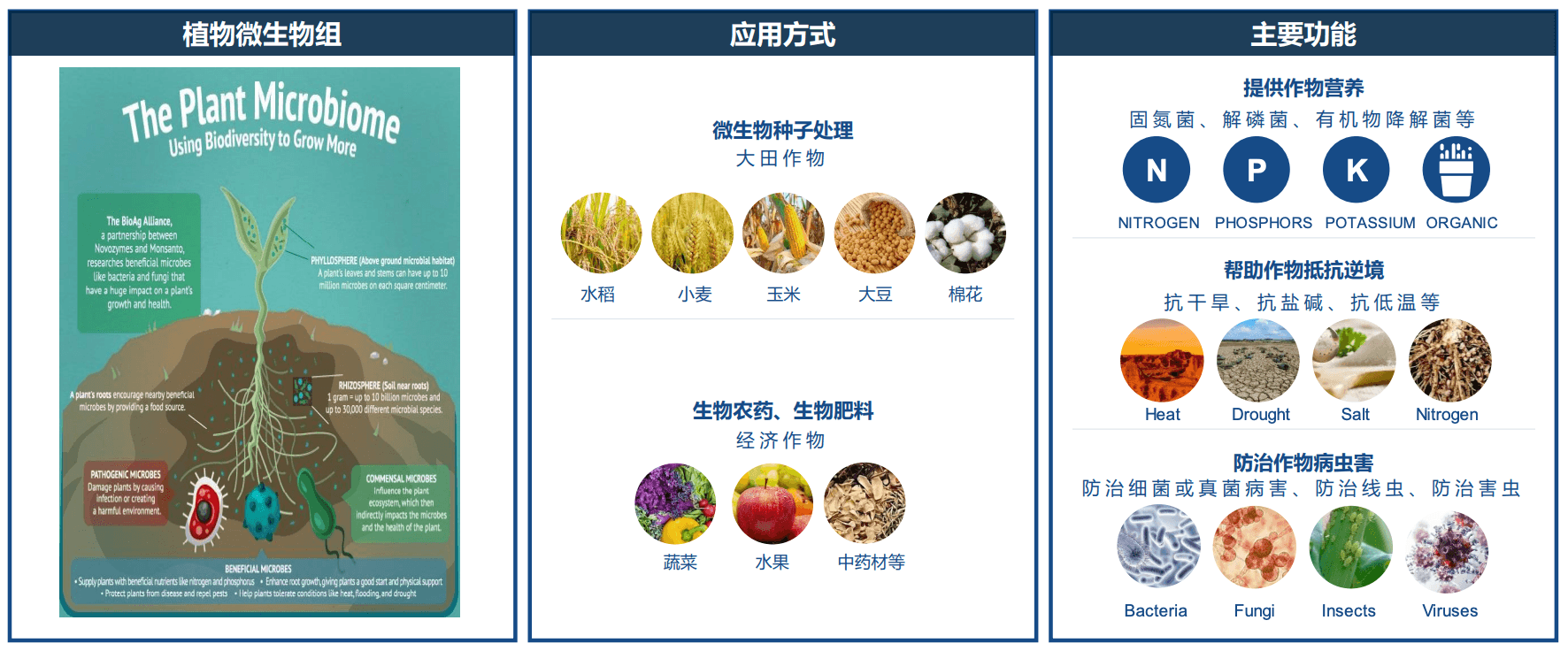
This technology is a game-changer for farming! We can now use microbes to help plants:
- Grow stronger: Some bacteria provide nutrients like nitrogen and phosphorus to plants, reducing the need for chemical fertilizers. ♻️
- Fight back: Other microbes act as natural bodyguards, protecting crops from pests and diseases, which means less pesticide use.
- Handle stress: Some microbes help plants survive tough conditions like drought or high salt levels in the soil.
🏥 Microbes to the Rescue: In Medicine
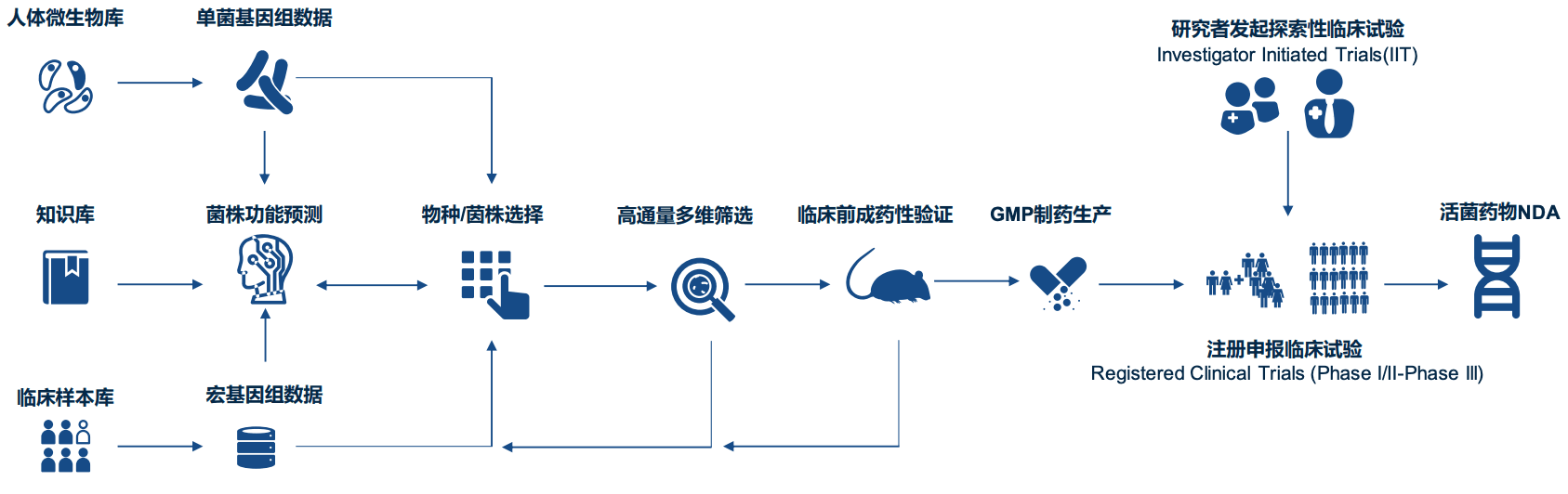
This is perhaps the most exciting part! We are learning to use our own body's microscopic inhabitants—our gut microbiome—to develop new drugs called Live Biotherapeutic Products (LBPs). These are essentially beneficial bacteria designed to treat diseases.
- Early research is showing incredible promise in boosting cancer immunotherapy and helping treatments work better. 🎗️
- They're also being developed to tackle metabolic diseases like obesity and type 2 diabetes.
The idea that we could treat serious illnesses with specially designed bacteria is nothing short of revolutionary.
✨ Why This All Matters
This isn't just cool science; it's a shift towards a more sustainable and precise future.
- It's greener: Reduces reliance on synthetic chemicals and harsh processes.
- It's smarter: Offers targeted solutions with fewer side effects.
- It's limitless: The diversity of microbes in nature means we've only just begun to scratch the surface of what's possible.
The next time you look at a garden or think about your health, remember: there's an invisible world working hard behind the scenes, and we're just learning how to partner with it. The future is microbial! 🌍