The Tiny Green Factories: How Tech is Unlocking Microalgae’s Superpowers 🌿🔬
Imagine if we could program microscopic organisms to produce powerful nutrients, heal our bodies, and even protect our skin—all using light, air, and a touch of digital magic. Welcome to the world of advanced microalgae biotechnology, where science fiction is becoming reality.
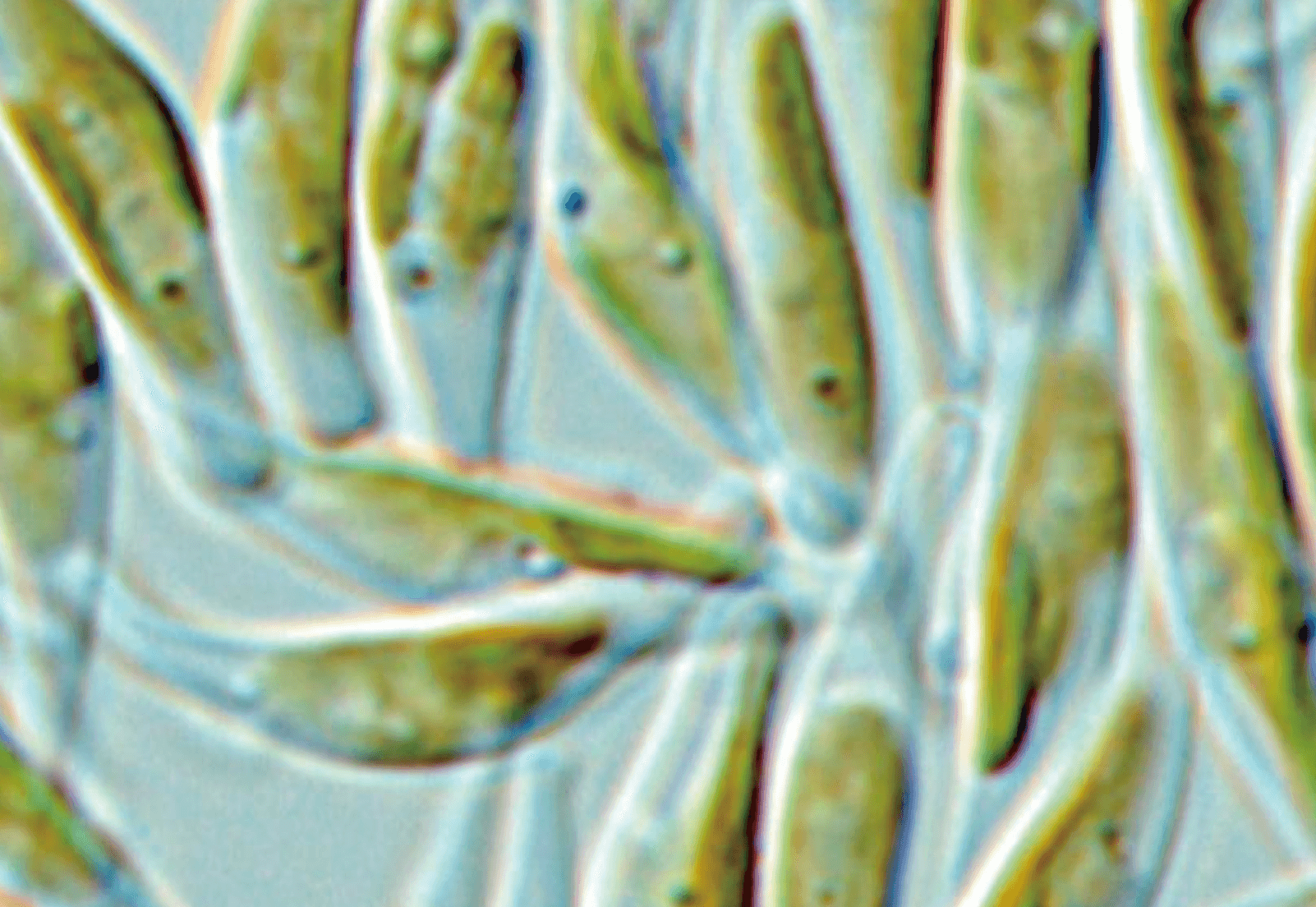
🧬 The Tech Behind the Green
At the core of this revolution is synthetic biology—the art and science of redesigning living organisms. Researchers are now using high-throughput screening to sift through thousands of algal strains, identifying the best natural producers of valuable compounds. Then, through genetic engineering and metabolic tuning, these microalgae are optimized to become ultra-efficient "cell factories."
But it doesn’t stop there. The real game-changer is the integration of AI and machine learning into cultivation systems. Smart algorithms analyze real-time data on algae growth, adjusting:
- Light recipes 🌈: Specific wavelengths and intensities to maximize photosynthesis.
- Carbon feeding strategies 📊: Optimizing inputs for energy and molecule production.
- Environmental controls 🌡️: Creating the perfect conditions 24/7, regardless of the weather outside.
This approach is often called "Light & Carbon Bio-Manufacturing"—a precise, tech-driven method to turn CO₂ and light into high-value bioactive compounds.
⚙️ From Lab to Scale: The Engineering Leap
One of the biggest historical challenges has been moving from small ponds to reliable, large-scale production. Enter the closed photobioreactor: a controlled, sterile, and scalable environment that looks more like a tech startup’s hardware than a farm.
These systems can be:
- Vertical or modular 📐, saving space and increasing yield per square meter.
- Fully automated 🤖, with sensors monitoring pH, temperature, biomass density, and nutrient levels.
- Cloud-connected ☁️, allowing for remote monitoring and AI-driven optimization.
This means microalgae can be grown anywhere—in deserts, on rooftops, or in urban labs—making production local, sustainable, and consistent year-round.
🧪 What Are These Microalgae Making?
Through these technological advances, specific strains are being tailored to produce incredible compounds. Here’s a snapshot:
| Microalgae Strain | Key Compound(s) | Potential Applications |
|---|---|---|
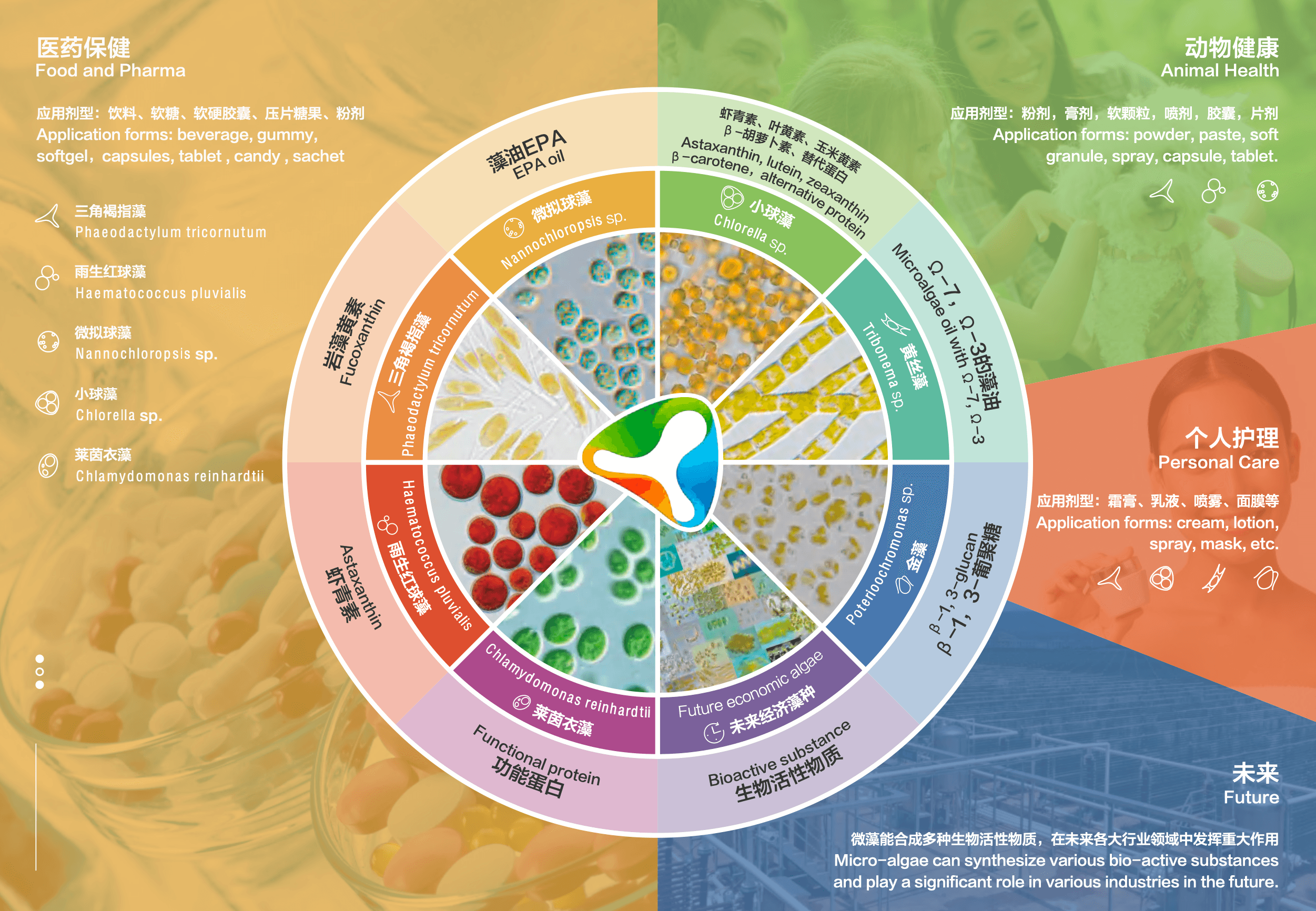
| Phaeodactylum tricornutum | Fucoxanthin | Metabolic health, anti-inflammatory, liver & cardiovascular support* |
| Haematococcus pluvialis | Astaxanthin | Powerful antioxidant, skin health, exercise recovery, cognitive support |
| Nannochloropsis sp. | EPA (Omega-3) | Heart health, cognitive function, mood & inflammation balance |
| Chlorella & Spirulina | Proteins, Vitamins, Antioxidants | Plant-based nutrition, supplements, functional foods |
| Various Species | Beta-glucans, Carotenoids, Peptides | Skincare hydration, barrier repair, anti-aging formulations |
* Research is uncovering cellular mechanisms, such as the modulation of the NLRP3 inflammasome and TLR4/NF-κB pathways, demonstrating how these natural compounds can interact with human biology at a fundamental level.
🌿 The Future is Bio-Designed
We’re entering an era of biologically designed wellness. The convergence of biology, data science, and engineering means we can create sustainable, potent, and pure ingredients without taxing the planet. Microalgae don’t require arable land, can use brackish water, and actively capture CO₂—making them a poster child for circular bioeconomy.
The next frontier includes:
- Dynamic strain evolution 🧫: Using continuous AI-assisted adaptation to improve strains in real-time.
- Personalized nutrient production 🧬: Tailoring algae profiles for individual health needs.
- Hyper-efficient biorefineries 🏭: Where microalgae produce multiple high-value products in a single, zero-waste process.