Cultivated Meat: Is This the Tech That Will Finally Change Our Plates? 🥩🧫
Hey everyone! Let's talk about one of the coolest and most challenging frontiers in biotech today: cultivated meat. You know, the idea of growing real meat directly from animal cells, without the farm? It sounds like science fiction, but labs around the world are working to make it a reality.
For a while now, though, there's been a huge, juicy problem on everyone's plate: how do you scale this thing up?
The Scalability Hurdle: Why It's So Hard
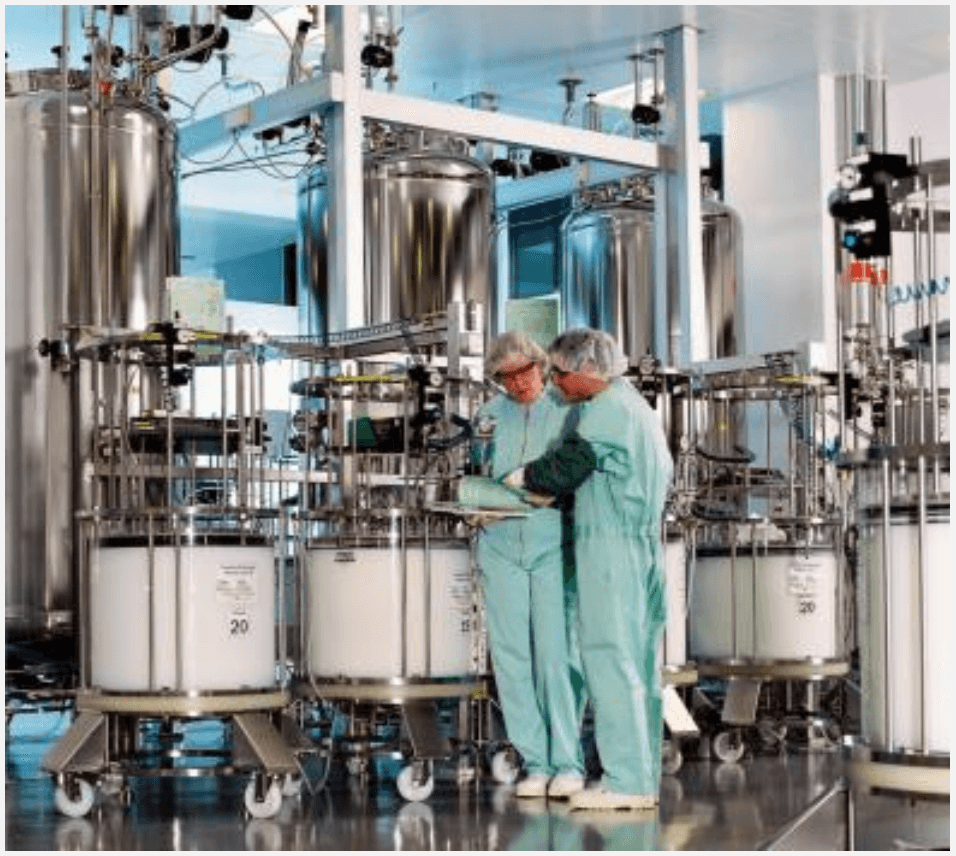
Most of the tech being used right now is borrowed from the pharmaceutical industry. Think giant, stirred tanks called bioreactors where cells swim around in a soupy liquid.
This method works okay for growing certain cells to make medicines, but it's pretty rough for growing delicate meat cells. The constant stirring creates shear stress—imagine being in a tiny boat in a stormy ocean—which can damage the cells, stunt their growth, and prevent them from forming the structures that actually make meat look and taste like meat.
The result? A cell slurry—a mushy paste of individual cells that's a far cry from a structured chicken breast or steak. It's not very efficient either; a massive bioreactor might only turn a tiny fraction of its volume into actual product.
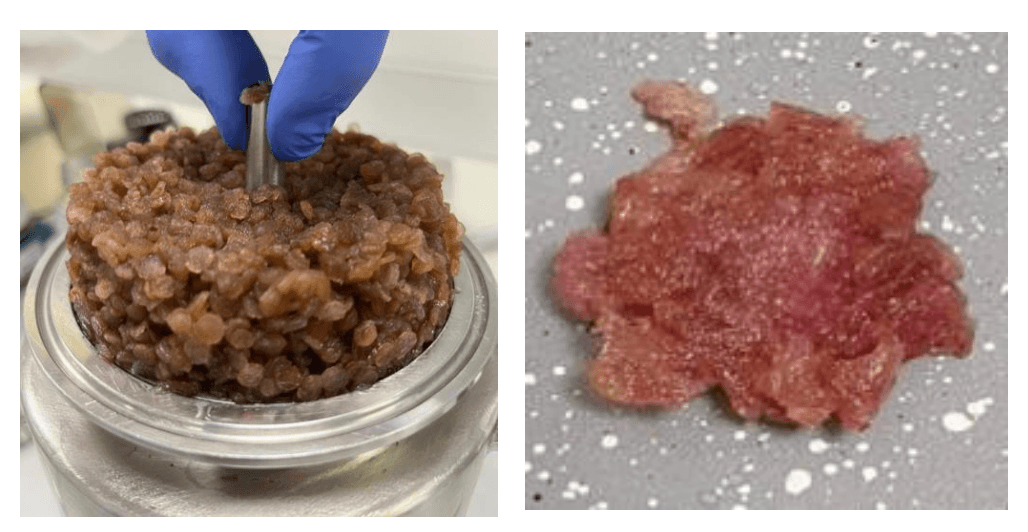
A Game-Changing Approach: The Edible Scaffold 🔬
This is where some fascinating new biotech comes in. Instead of stressing cells out in a soup, what if we could give them a cozy, natural-looking home to grow in? That's the idea behind using 3D edible scaffolds.
These scaffolds are like tiny, porous skyscrapers for cells to live on. They're made from plant-based materials and are completely edible.
Here’s why this is a biotech win:
- Massive Surface Area: A single small pilot system can have a surface area equivalent to five basketball courts! That's a ton of real estate for cells to grow on.
- Low Stress Environment: Cells can anchor themselves and grow peacefully, just like they would in an animal's body. This means no violent stirring!
- Better Cell Performance: In this happy environment, cells not only grow faster but they also naturally differentiate and organize into structures that resemble real muscle tissue. They even produce their own fats and extracellular matrix (ECM) proteins, which are crucial for that authentic meaty taste and texture.
The data speaks for itself. This method can yield dramatically more protein, fat, and collagen per liter than traditional stirred tanks.
It's Not Just for Cows! 🐔🦆🐟
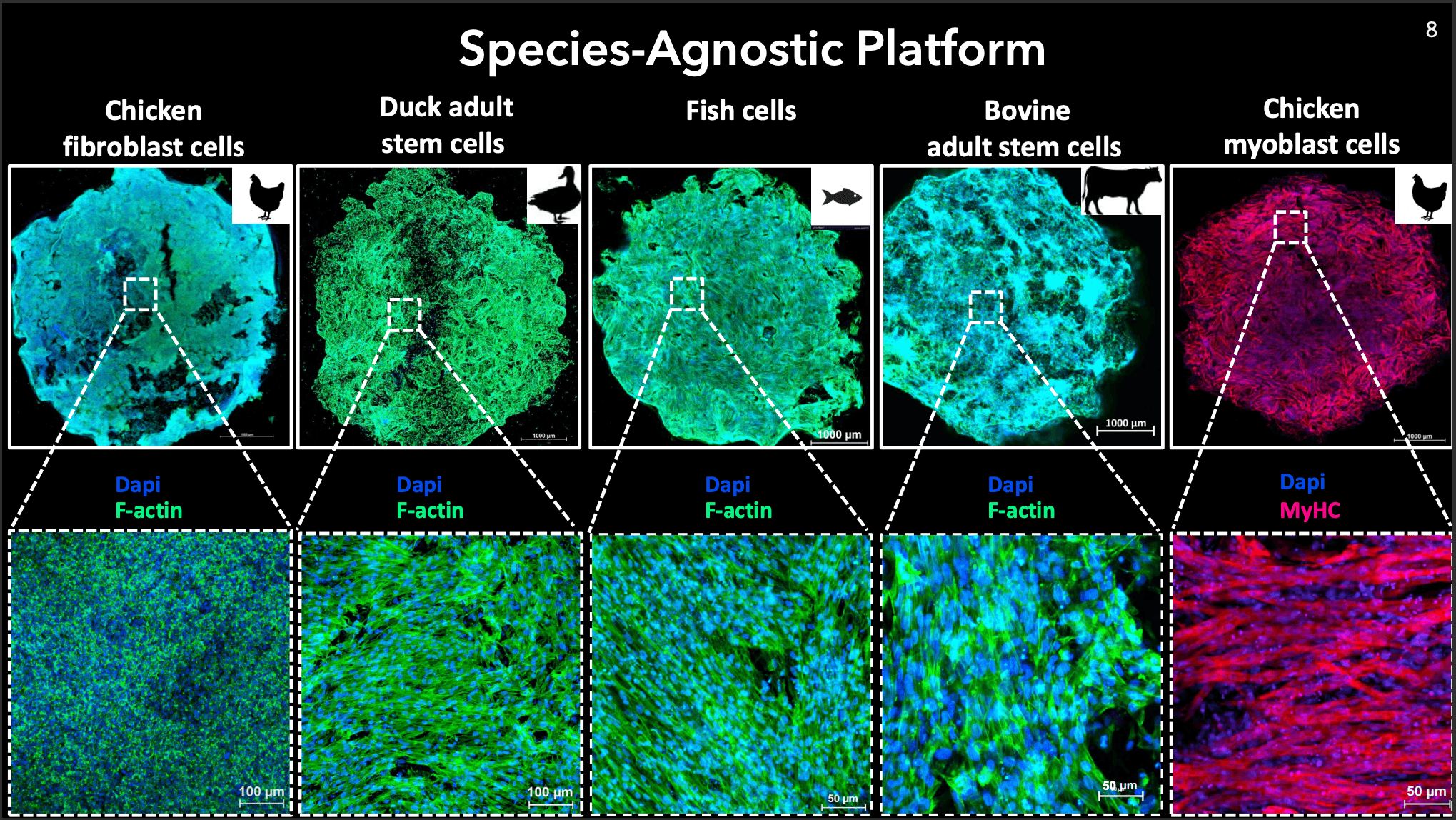
Another super cool aspect of this scaffold technology is that it's species-agnostic. The same core principle works for growing cells from:
- Chicken
- Duck
- Fish
- Beef
The cells do the work, and the scaffold just provides the perfect home for them to thrive, regardless of their origin.
The Future on Your Fork
This shift from growing cell slurry in stirred tanks to growing structured tissue on scaffolds feels like a massive leap forward. It addresses the core biotech challenges of scalability, efficiency, and product quality.
It’s not just about making meat; it’s about using clever biology to make good meat—meat that has the texture, the juiciness, and the flavor we love, but in a way that's far kinder to the planet.
What do you think? Would you try a burger grown this way? Let me know in the comments!