From Petrochemicals to Microbes: The Colorful and Clean Future of Dyeing
For over a century, we've relied on chemical synthesis to make these colors. It’s effective, but it's also a bit of a nightmare for the planet.
Why The Old Way is a Problem 🚫
Making chemical dyes is a resource hog. We're talking:
- 💧 Massive water usage (like, thousands of cubic meters per ton of dye)
- 🛢️ Reliance on petroleum (the same stuff we put in our cars)
- ☣️ Toxic chemicals like benzene, formaldehyde, and cyanide (yikes!)
This isn't just hard on the planet; it's dangerous for factory workers and can leave traces on the products we wear and eat.
So, What's the Alternative? Enter: Bio-Dyes! 🌱
This isn't just "natural dye" from plants. We're talking about next-level science: using engineered microbes to "brew" color in a fermenter, like making beer or yogurt.
This approach is a total game-changer. Here’s why:
| Feature | Chemical Dye | Biological Dye |
|---|---|---|
| Inputs | Petroleum, toxic chemicals | Sugar, sustainable feedstocks |
| Process | High heat, high pressure | Fermentation (like brewing) |
| Waste | Toxic wastewater, pollution | Biodegradable, minimal waste |
| Safety | Hazardous for workers | Non-toxic, safe |
In short, bio-dyes offer a way to get the vibrant, consistent colors we love without the nasty environmental hangover.
The Coolest Part? It's Actually Happening.
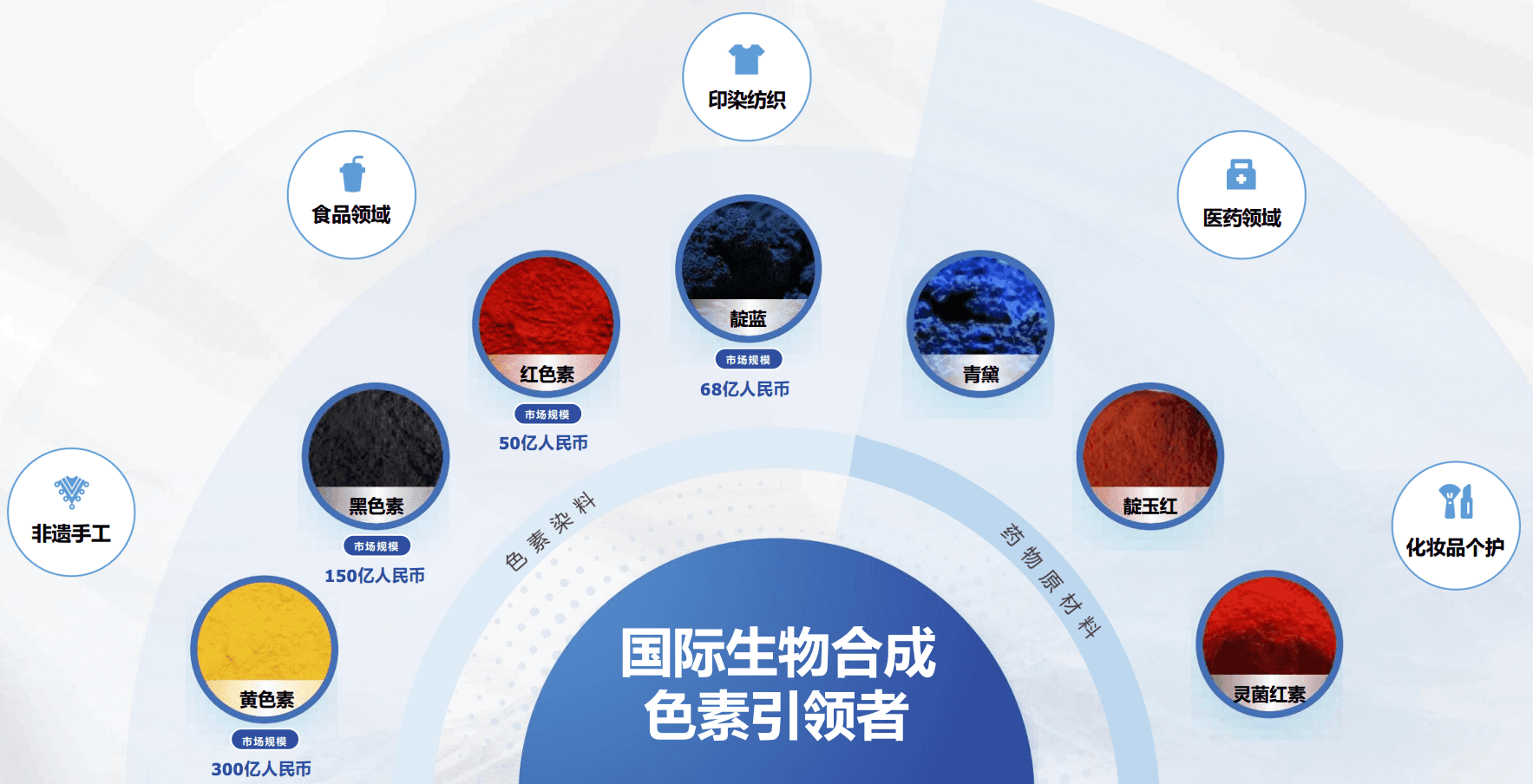
The science has moved from the lab to the factory. Companies are now using genetically tweaked bacteria that can produce insane amounts of pigment. For instance, the yield for a color like indigo (hello, blue jeans!) has skyrocketed:
- 2019: ~300 mg/L (cool lab project)
- 2023: ~800 mg/L (getting better!)
- Today: Over 2,500 mg/L (now we're talking industrial scale!)
This isn't just a theory. Big brands in fashion, food, and cosmetics are already partnering with bio-dye companies to clean up their supply chains. The market is shifting because it has to.
What's Next?
The future of color is microbial. We're looking at a world where your favorite black jeans are colored by microbially-produced melanin, and your red lipstick gets its pop from prodigiosin (a pigment made by bacteria).
It’s a win-win-win:
- ♻️ A win for the planet (cleaner production)
- 👕 A win for brands (meeting sustainability goals)
- ✅ A win for us (safer products)
The next time you pull on a brilliantly colored shirt, just think—soon, its story might not be about chemicals, but about creativity and cool, clean science.