🦠 The Tiny Army in Your Body: How Scientists Are Using Bacteria to Fight Cancer
Forget what you know about bacteria being just germs. Scientists are now recruiting them as tiny, living robots to hunt down and destroy one of our biggest enemies: cancer. And honestly, it’s one of the coolest (and slightly weirdest) things happening in medicine right now.
Let's break down how this works.
A History Lesson (with a Twist)
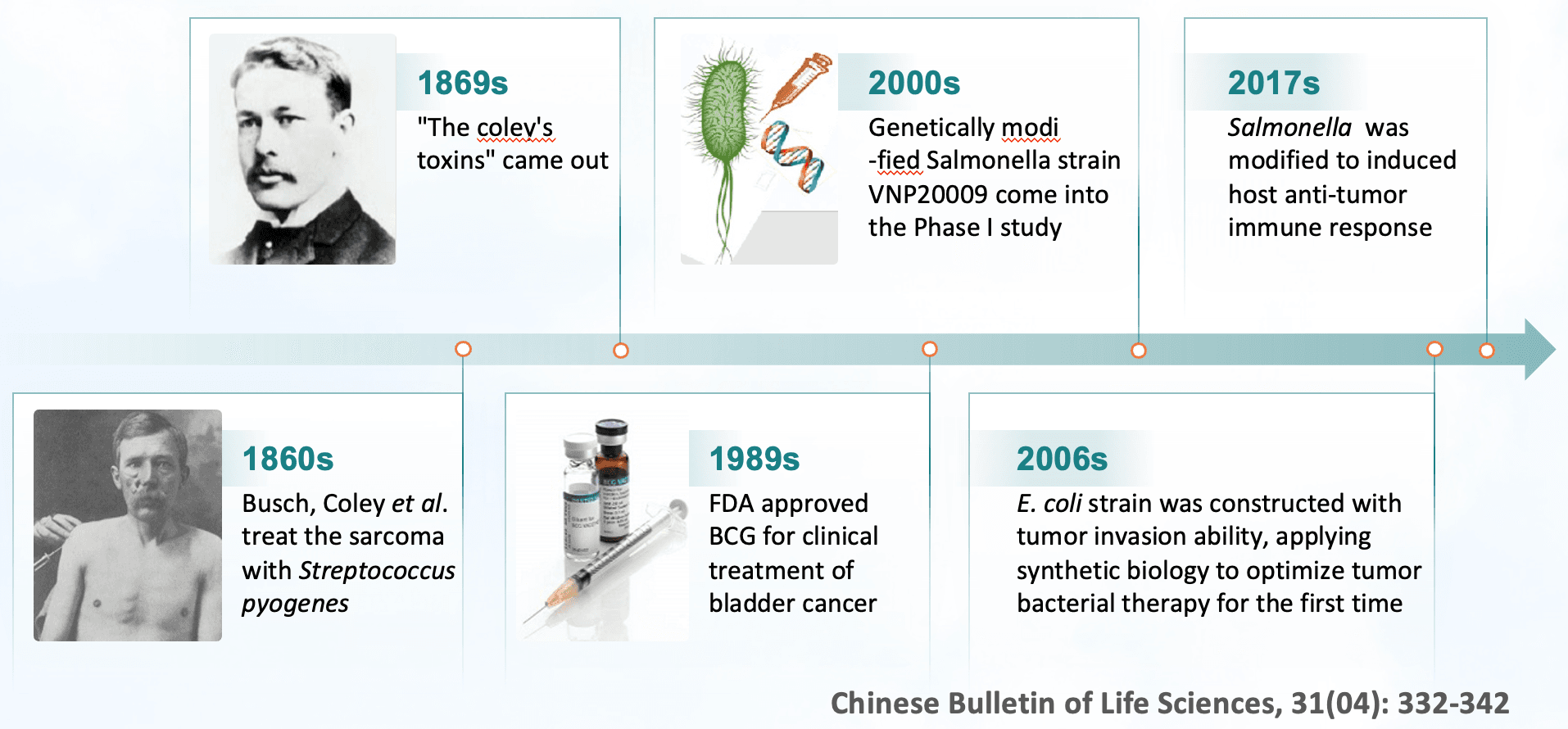
Believe it or not, doctors noticed over 150 years ago that sometimes, a cancer patient who got a nasty bacterial infection would see their tumors shrink. 🧐 It was a weird, dangerous glitch in the system, but it revealed a secret: bacteria naturally love to grow inside tumors.
Why? Tumors are like a messy, leaky, nutrient-packed playground for bacteria—a perfect hideout from your immune system.
Bacteria vs. Viruses: The Showdown
You might have heard of viral therapies for cancer. So why use bacteria? It turns out, bacteria have some killer advantages:
| Feature | 🦠 Bacterial Therapy | 🦠 Viral Therapy | Why It Matters |
|---|---|---|---|
| Payload Size | Huge! Can carry lots of code. | Pretty small. | Bacteria can be engineered to produce multiple drugs at once. |
| Safety Switch | Yes! Good old antibiotics. | Not really. | If things go sideways, doctors can just shut it down. |
| Targeting | Naturally awesome at finding tumors. | Often needs to be engineered. | They just naturally show up at the cancer party, uninvited. |
| Manufacturing | Easy & cheap to grow at scale. | Often complex and expensive. | Could make future treatments more accessible. |
So, while viruses are like delivery motorcycles, bacteria are more like massive, self-driving supply trucks.
The Evolution of Super-Bugs: From Dumb to Brilliant
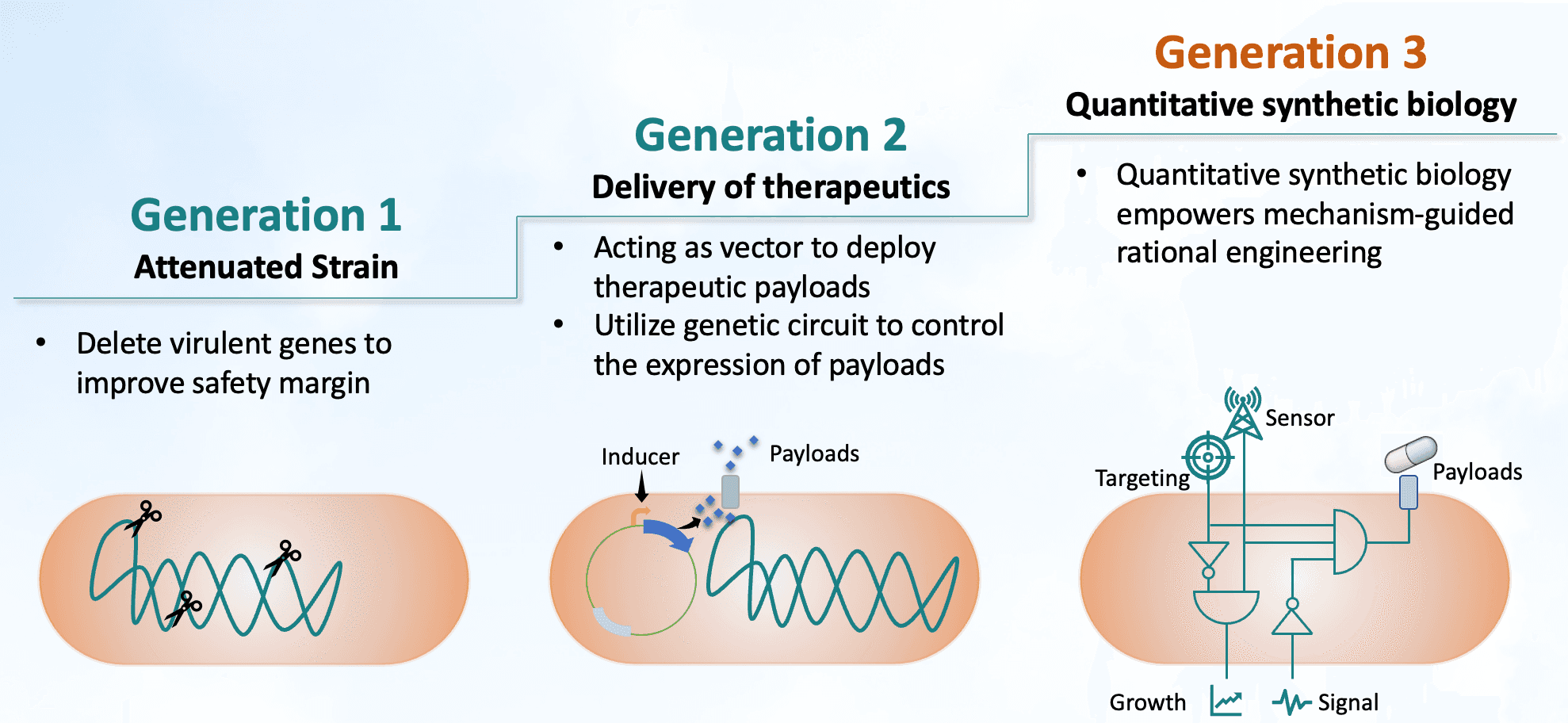
Scientists aren't just injecting people with wild bacteria. They've been on a serious engineering journey:
- Gen 1: The Nerfed Strain ⚙️
- "Let's take a dangerous bug (like Salmonella) and just delete the 'make you sick' genes." Safer, but still pretty basic.
- Gen 2: The Delivery Truck 🚚
- "Now let's program our nerfed bug to carry a special payload—like a tumor-killing toxin or an immune system alarm—and drop it off inside the cancer."
- Gen 3: The Smart Assassin 🧠
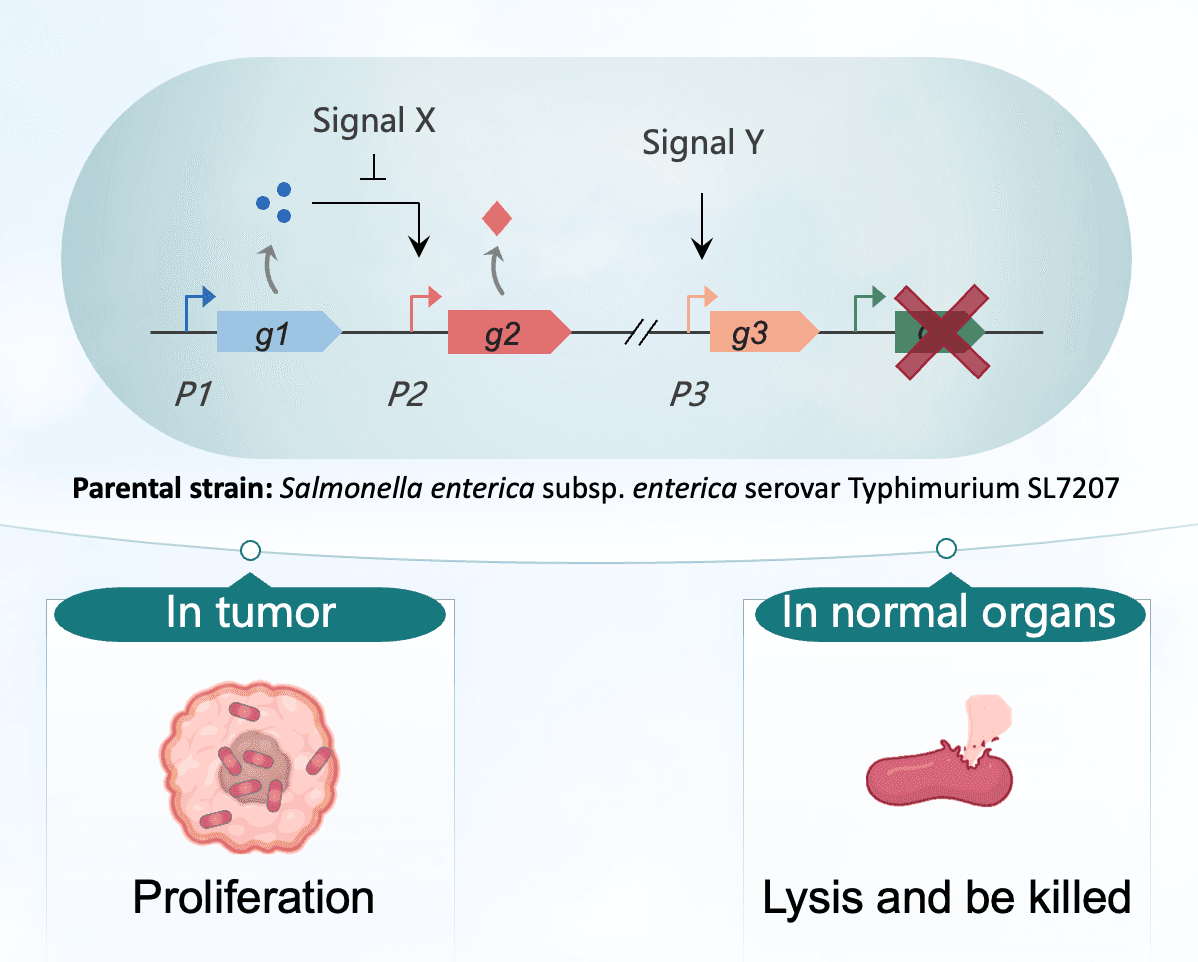
- This is the future. We're now creating bugs with genetic circuits. Think of them as tiny computers. They can:
- Sense when they're inside a tumor.
- Calculate how many buddies are around.
- Trigger the production of drugs only when the conditions are just right.
- This is the future. We're now creating bugs with genetic circuits. Think of them as tiny computers. They can:
This isn't science fiction. This is synthetic biology happening in labs today.
How These Tiny Assassins Actually Work
So you inject these engineered bacteria into the body. What happens next?
- The Journey: They cruise through the bloodstream...
- The Infiltration: ...and pile into the tumor, setting up a secret base.
- The Double-Whammy Attack:
- Direct Hit: They start producing drugs that kill cancer cells directly from the inside. 💥
- Immune Wake-Up Call: Their presence screams "HEY, IMMUNE SYSTEM! OVER HERE!" This recruits the body's own T-cells to come and finish the job. 🚨
The best part? This immune wake-up call can create long-term "memory" against that specific cancer, helping to prevent it from coming back. It's like teaching your body's defenses to never forget the enemy's face.
So, What's the Catch?
This is mostly still in the animal testing phase, though some early human trials have happened. The big challenges are making sure they're perfectly safe and controlling them precisely. But the results in mice across different cancers (melanoma, colon, bladder) have been seriously impressive.
The Bottom Line
The idea of using a living organism to fight another disease is a total paradigm shift. It’s a powerful reminder that sometimes the best solutions in medicine don't come from a chemical lab, but from understanding and harnessing the incredible power of nature itself.
It’s a weird, wonderful, and wildly promising frontier. Keep your eyes on this space