Independent Research on UV-Resistant Skin Bacteria
Most people worry about sunburns and photoaging when they think of UV rays, but I wondered:
What if our skin’s own bacteria already have ways to protect us?
That question launched my project.
What I Did
- Collected skin microbiome data (before & after UV exposure) from the public SRA database.
- Found one bacterium that actually thrived in sunlight: Sphingomonas mucosissima.
- Grew the bacterium in the lab and extracted its metabolites (compounds it produces).
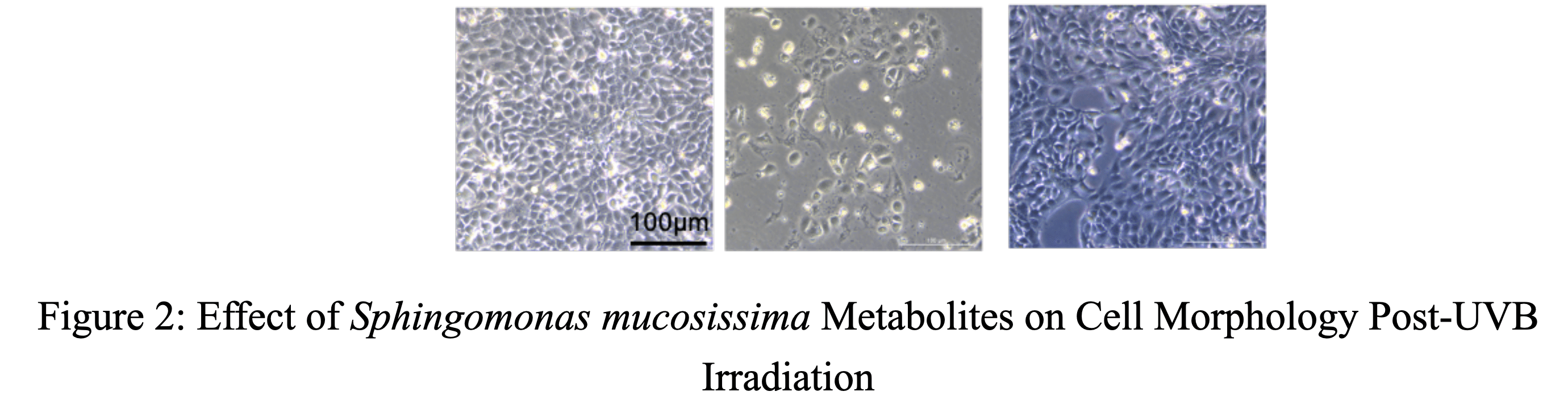
- Exposed human skin cells (HaCaT keratinocytes) to UVB light and tested whether the metabolites could help them survive.
Key Results
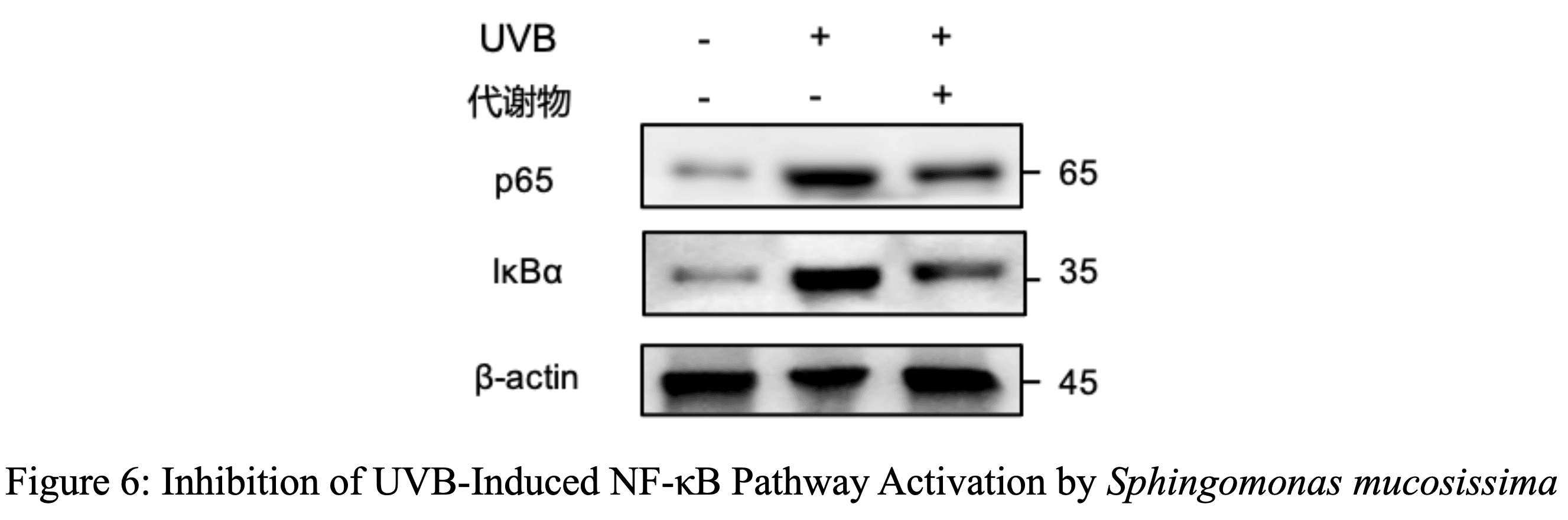
| Condition | Cell Survival | ROS (oxidative stress) | NF-κB (stress pathway) |
|---|---|---|---|
| Control (no UV) | ✅ High | ✅ Normal | ✅ Low |
| UVB only | ❌ Low | ❌ High | ❌ Activated |
| UVB + S. mucosissima metabolites | 👍 Improved | 👍 Reduced | 👍 Suppressed |
Translation: The bacterial metabolites helped skin cells stay alive, reduced stress, and calmed down inflammation pathways.
Why It Matters
- Shows that skin bacteria aren’t just bystanders — they may actively protect us.
- Opens the door to future microbiome-based skincare (like probiotics for the skin!).
- For me, it was a chance to combine biology, data analysis, and hands-on cell culture in one project.
What’s Next
I want to:
- Identify the exact protective molecules in S. mucosissima using mass spectrometry.
- Explore whether they work in other skin models.
- Imagine new skincare products inspired by our own microbiome’s defense system.
This project really deepened my appreciation for the tiny partners living on our skin—and showed me how curiosity, data, and experiments can come together to answer big questions.