Advances in Wheat Genome Editing: A Game-Changer for Global Food Security
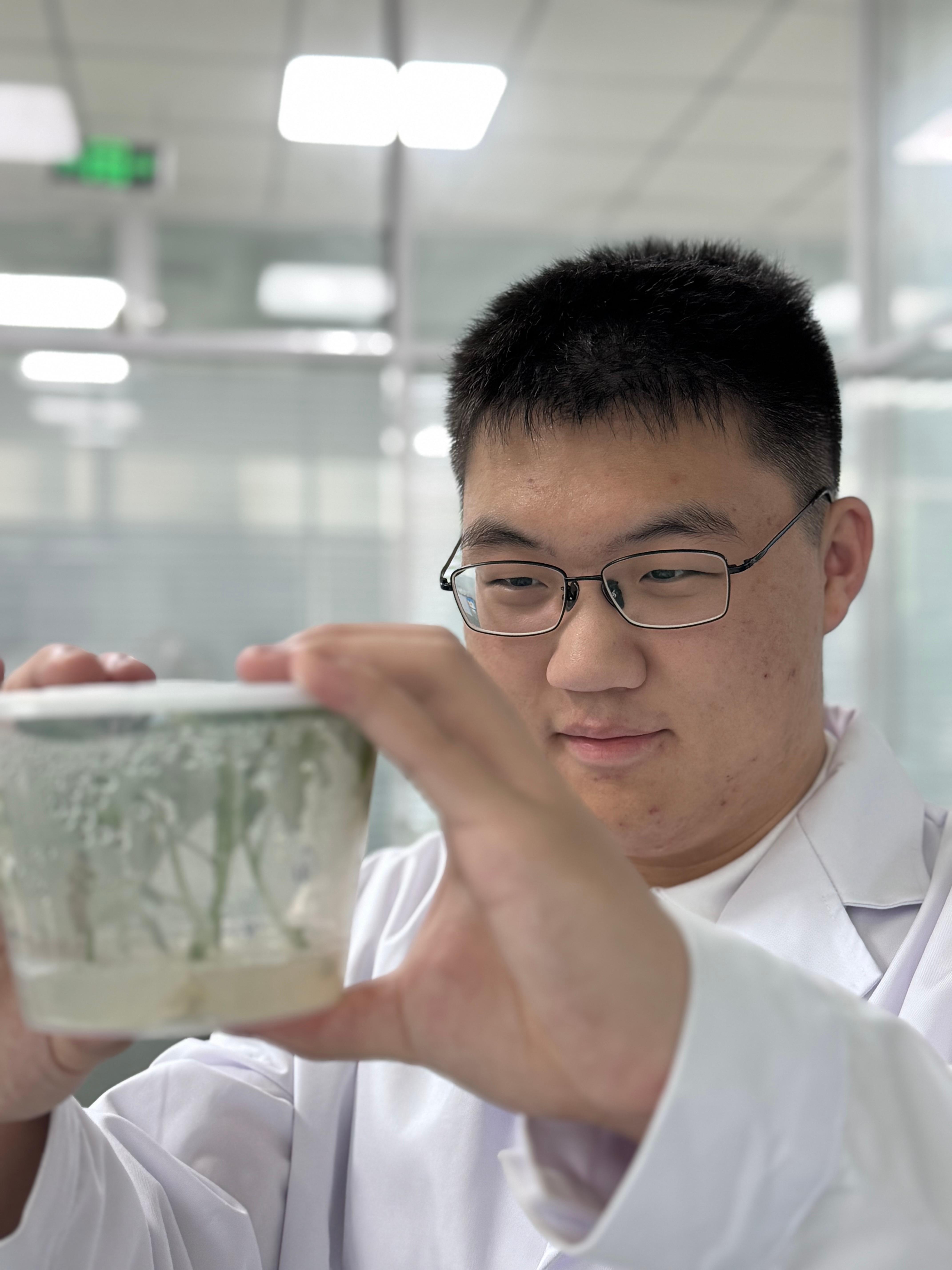
Wheat is a vital crop that feeds over a third of the world’s population. But it’s constantly under threat from diseases like powdery mildew, caused by the fungus Blumeria graminis (Bgt). This disease can cause crop losses of up to 40% and affect the quality of wheat. So, how do we protect wheat from these threats? The answer may lie in genome editing.
Why Wheat Genome Editing Matters 🌾
Wheat’s genome is huge and complex, which makes breeding resistant varieties challenging. Here are some key problems researchers face:
- Genetic Redundancy: Wheat’s hexaploid genome (with 6 sets of chromosomes) has many redundant genes, meaning editing just one copy of a gene often won’t work.
- Pleiotropic Trade-Offs: Disease resistance traits can come with unintended side effects, like reduced yield or stunted growth.
But advances in genome editing are making it possible to overcome these challenges, creating resistant wheat without sacrificing yield.
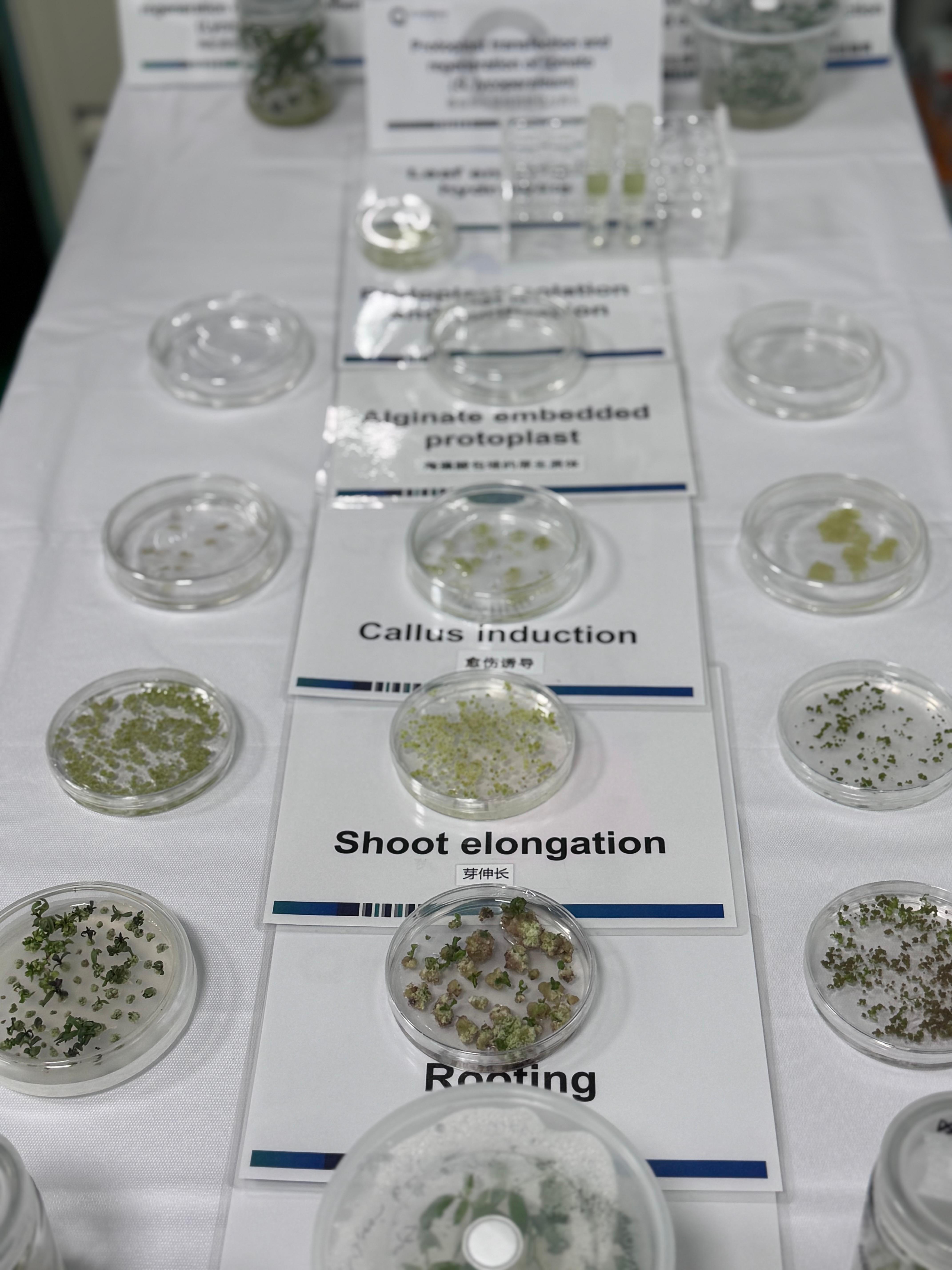
Key Strategies in Wheat Genome Editing 🔬
Here’s a look at some breakthrough approaches developed by Qi Biodesign:
1. Multiplex Editing for Strong Disease Resistance 💪
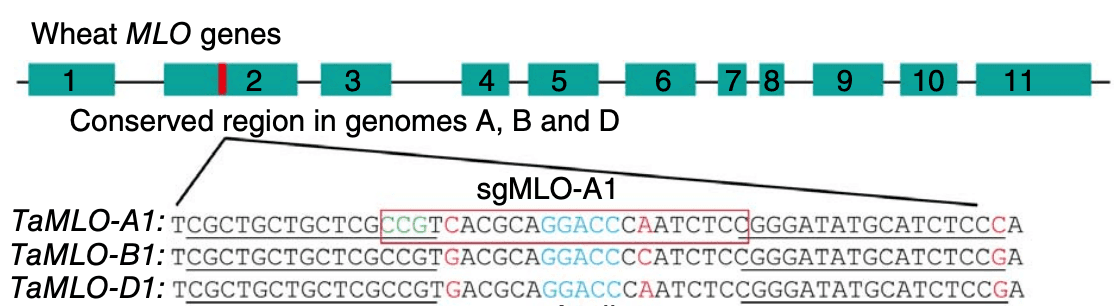
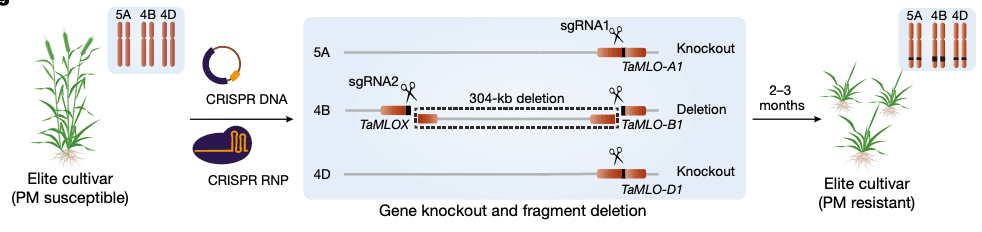
Wheat’s genome complexity used to make it tough to edit multiple genes at once. But now, multiplex genome editing allows researchers to target several genes simultaneously. This is crucial because wheat often has multiple, redundant copies of genes.
- Example: In 2014, researchers successfully targeted the MLO gene, which is linked to resistance against powdery mildew. By editing all three copies of the MLO gene (one on each chromosome), they created wheat plants with broad-spectrum disease resistance.
Results:- Up to 38% efficiency in editing.
- Plants with complete, durable resistance were created.
- No transgenes were introduced, which helps with regulatory approval and consumer acceptance.
2. Transgene-Free Editing Systems 🚫
Getting rid of foreign DNA is important for making sure the edited plants are safe and regulatory-friendly.
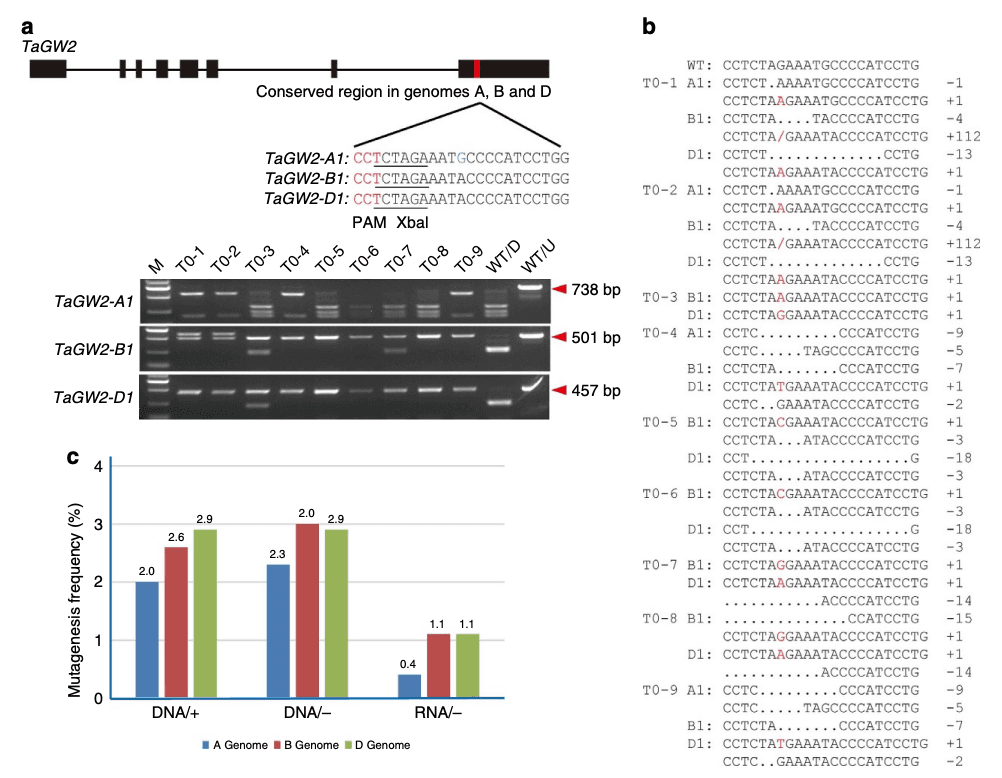
- In 2016, researchers developed a transgene-free editing system using CRISPR/Cas9, which allows for targeted edits without inserting new genes.
- This system has high efficiency (1–9.5%) and eliminates the need for selectable markers (the usual method for tracking edited plants).
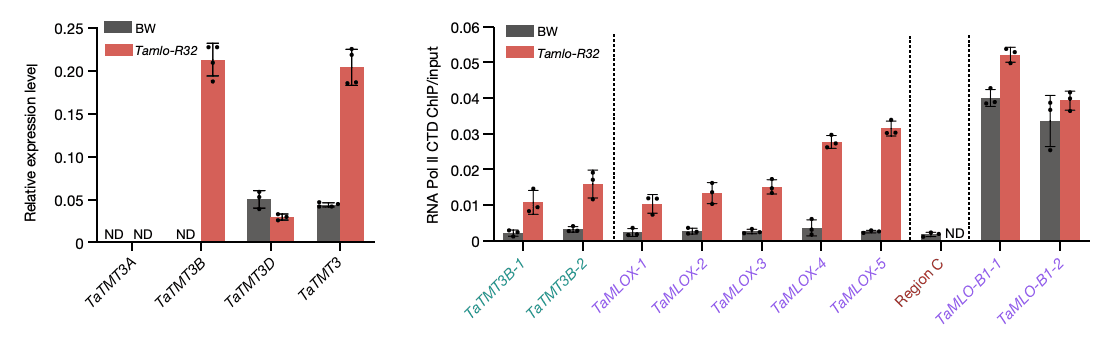
3. Coupling Disease Resistance with Higher Yields 🌾💰
One of the biggest challenges in crop breeding is balancing disease resistance with high yields. Often, resistance genes come with trade-offs that can stunt plant growth or reduce grain quality. But new genome editing tools allow for precision edits that separate resistance from those negative effects.
- Advanced Cas9 variants (like SpCas9-NG) now allow researchers to target more genes and adjust single nucleotides (the building blocks of DNA) without causing unwanted side effects.
- Base Editing technology, which converts one DNA base to another without creating double-strand breaks, ensures that edited plants don’t suffer from growth defects that are common with traditional breeding methods.
Example:- Modifying genes like TaDEP1 (for semi-dwarfism) and TaGASR7 (for grain weight) without losing resistance to diseases.
How Does It All Work? 🧬
Here’s a breakdown of the core technologies enabling these advancements:
| Technology | What It Does | Key Benefits |
|---|---|---|
| Multiplex Editing | Targets multiple genes simultaneously | Overcomes genetic redundancy |
| Base Editing | Edits a single base in DNA without cutting the strand | Precise edits without growth penalties |
| Cas9 Variants | Expands editing options (e.g., PAM flexibility) | Targets more genes with high accuracy |
| Transgene-Free Editing | No foreign DNA introduced into the plant | Safe, regulatory-friendly crops |
The Future of Wheat Genome Editing 🌍
Thanks to these cutting-edge technologies, the future of wheat breeding looks promising. Instead of spending decades on traditional breeding methods, scientists can now produce disease-resistant, high-yield wheat in just a few generations.
- Faster Development: New editing tools make it possible to achieve targeted outcomes in one generation rather than relying on long-term backcrossing.
- Durable Resistance: New techniques ensure that resistance traits can stand up to evolving pathogens.
- Sustainable Agriculture: These advancements can help create wheat that thrives in the face of climate change and disease pressures.
Conclusion: A New Era for Wheat 🌾
Genome editing is revolutionizing wheat breeding, providing solutions to some of the crop’s toughest challenges. With technologies like multiplex editing, base editing, and transgene-free delivery, researchers are making it possible to design wheat varieties that are both disease-resistant and high-yielding.
These innovations offer hope for the future of global food security, helping to ensure that wheat can continue to feed billions of people around the world.