The Scene of the Tragedy: Altitude 4,500m
The team, led by Captain Nevin and including the highly experienced Flight Surgeon Fab, was stationed at the luxurious "Shelter 11" hotel. What was meant to be a simple 300-meter ascent turned into a nightmare when a dense, high-humidity fog swallowed the mountain, reducing visibility to zero.
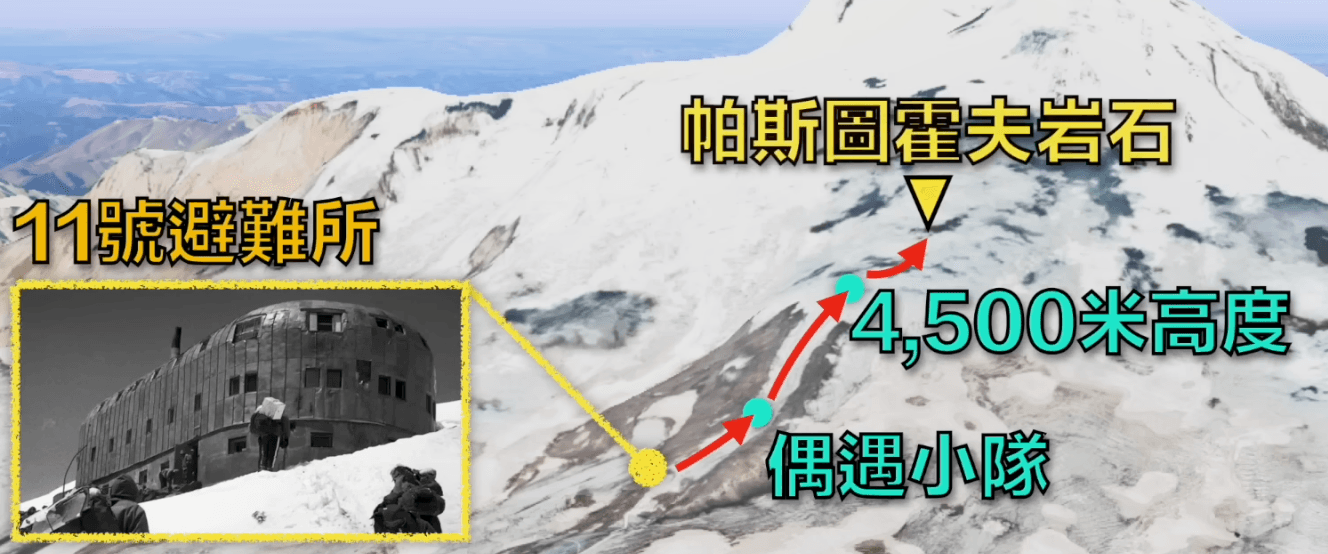
The Macabre Findings
When search parties reached the site, they found a scenario that mirrored the infamous Dyatlov Pass incident:
- The 6-Person Team Became 8: Two Japanese climbers had joined them in the snow cave during the storm.
- Paradoxical Undressing: Three victims outside the cave (including Captain Nevin) had stripped off their clothes in sub-zero temperatures. Nevin was found frozen with a smile on his face, pointing one finger toward the sky.
- The Bloody Circle: Inside the cave, Fab—the doctor—was found barely alive near a pool of blood (later identified as vomit). He had used his finger to draw a concentric snail-shaped circle in blood on the wall before dying.
- Broken Radio: The communication equipment had been intentionally smashed and discarded.
- Biological Anomalies: Forensics found the hair of one teammate inside the stomach of another.
Theories Behind the Mystery
For over 35 years, experts have struggled to reconcile these facts. Here are the leading explanations:
1. The Physiological Collapse: Hypothermia and Cold Fatigue
The official cause of death was hypothermia. In 100% humidity, down jackets become heavy, wet sponges.
- Paradoxical Undressing: When the body's core temperature drops below 32°C, the hypothalamus malfunctions, sending a false signal of extreme heat. Victims often strip naked and feel a sense of "euphoric warmth," explaining Nevin's smile and gesture.
- Cold Fatigue: Unlike Arctic animals, humans under extreme stress may fail to trigger defensive biological responses, leading to rapid mental and physical disintegration.
2. The Chemical Theory: Hydrogen Cyanide Poisoning
A compelling theory proposed by a Soviet team doctor suggests the team's stove fuel (solid alcohol) contained impurities.
- The Process: Burning this fuel in an oxygen-deprived snow cave could catalyze the release of Hydrogen Cyanide gas.
- Symptoms: Cyanide poisoning causes blurred vision (explaining Fab’s sudden blindness), severe vomiting, and neurological erraticism. Fab’s concentric circle might have been a final, desperate attempt to document a chemical discovery he couldn't verbalize.
3. The "Secret Mission" and Internal Strife
Rumors persisted that the team was testing a new high-altitude drug or carrying 52 titanium ice screws (a valuable "currency" in the climbing world) for trade.
- The Conflict: As conditions worsened, tensions may have peaked. Some suggest a fight broke out over whether to descend. This could explain the smashed radio and the hair found in a teammate's stomach—a sign of a desperate physical struggle or madness.
The Geography of Mt. Elbrus
Elbrus is a dormant volcano with unique geological properties that complicate rescue and survival.
| Factor | Impact on the Incident |
|---|---|
| Magnetic Volcanic Rock | High magnetic interference can cause compasses to spin wildly near the Pastukhov Rocks. |
| Micro-Climates | Humidity from the Black and Caspian Seas can turn a clear day into a "wet blizzard" in minutes. |
| Shelter 11 | The futuristic hotel served as a "lighthouse," but its light was easily obscured by the "thick milk" of the mountain fog. |
Conclusion: The "Watchman" of the Mountains
The name "Elbrus" stems from ancient Persian, meaning "The Watchman." Whether the tragedy was caused by chemical toxins, a breakdown in team discipline, or the unforgiving nature of the mountain, the 1990 incident remains a sobering reminder of human fragility.