Behind the Scenes: Running Tech for My Junior High Graduation 🎭💡🎶
When I signed up to be the Technical Director for my junior high graduation ceremony, I thought it would just be about making sure the lights looked cool and the sound was crisp. Turns out, it was way more about people than about equipment.
During practice, things got messy. The lighting and sound teams would jump the gun, actors would move before cues, and suddenly we had music playing when no one was even on stage yet. It wasn’t anyone’s fault—we just weren’t communicating well.
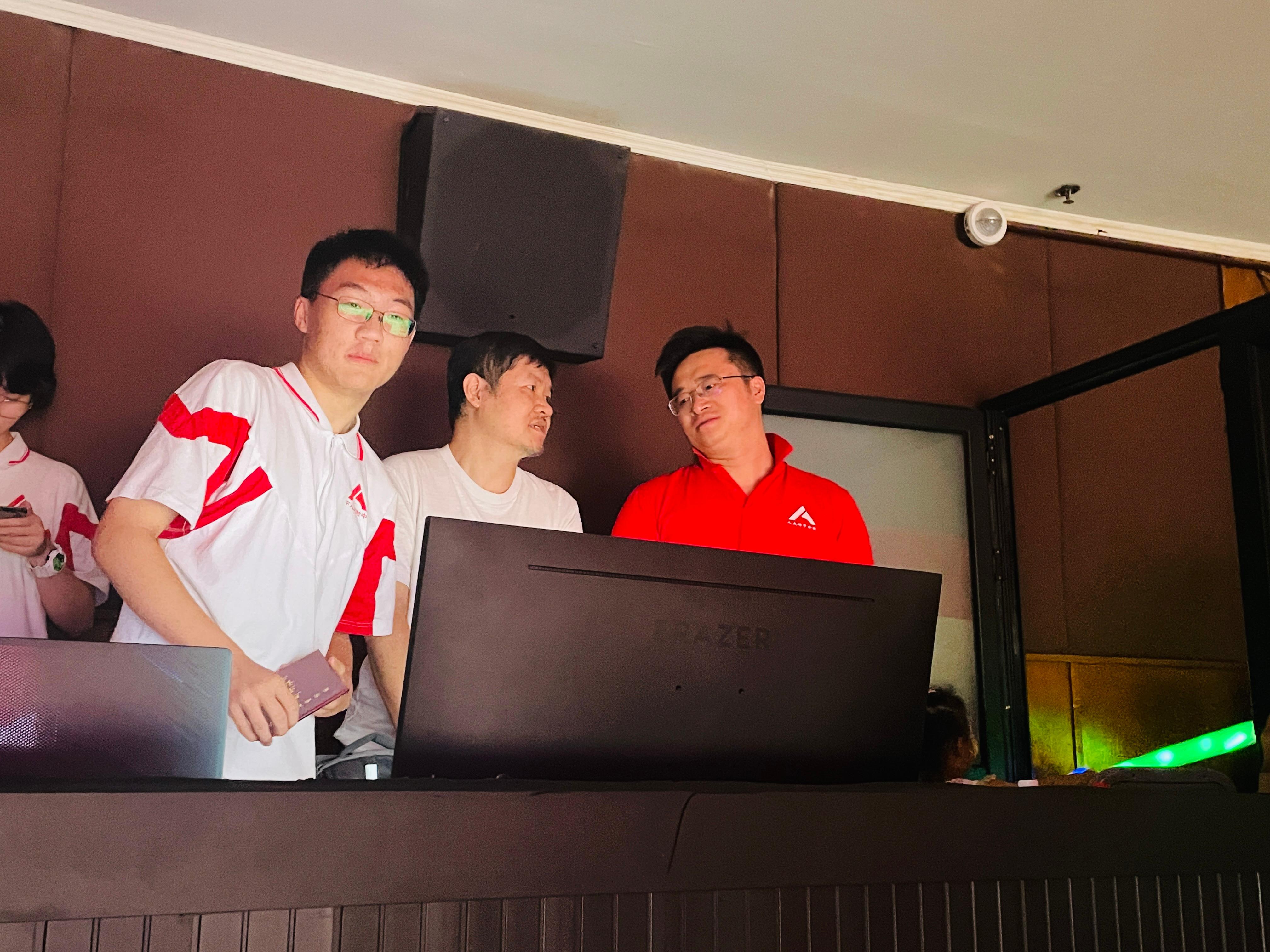
That’s when I realized: the real job of a Technical Director isn’t just flipping switches—it’s making sure everyone works together.
So, here’s what I did:
- I called for a joint meeting with both tech crews and actors. We talked through the problems openly so everyone could hear each other’s side.
- I made a master document that clearly showed when to turn on lights, sound effects, and stage controls.
- To avoid chaos during the live show, I even made a set of headset rules—basically stage etiquette for clear communication.
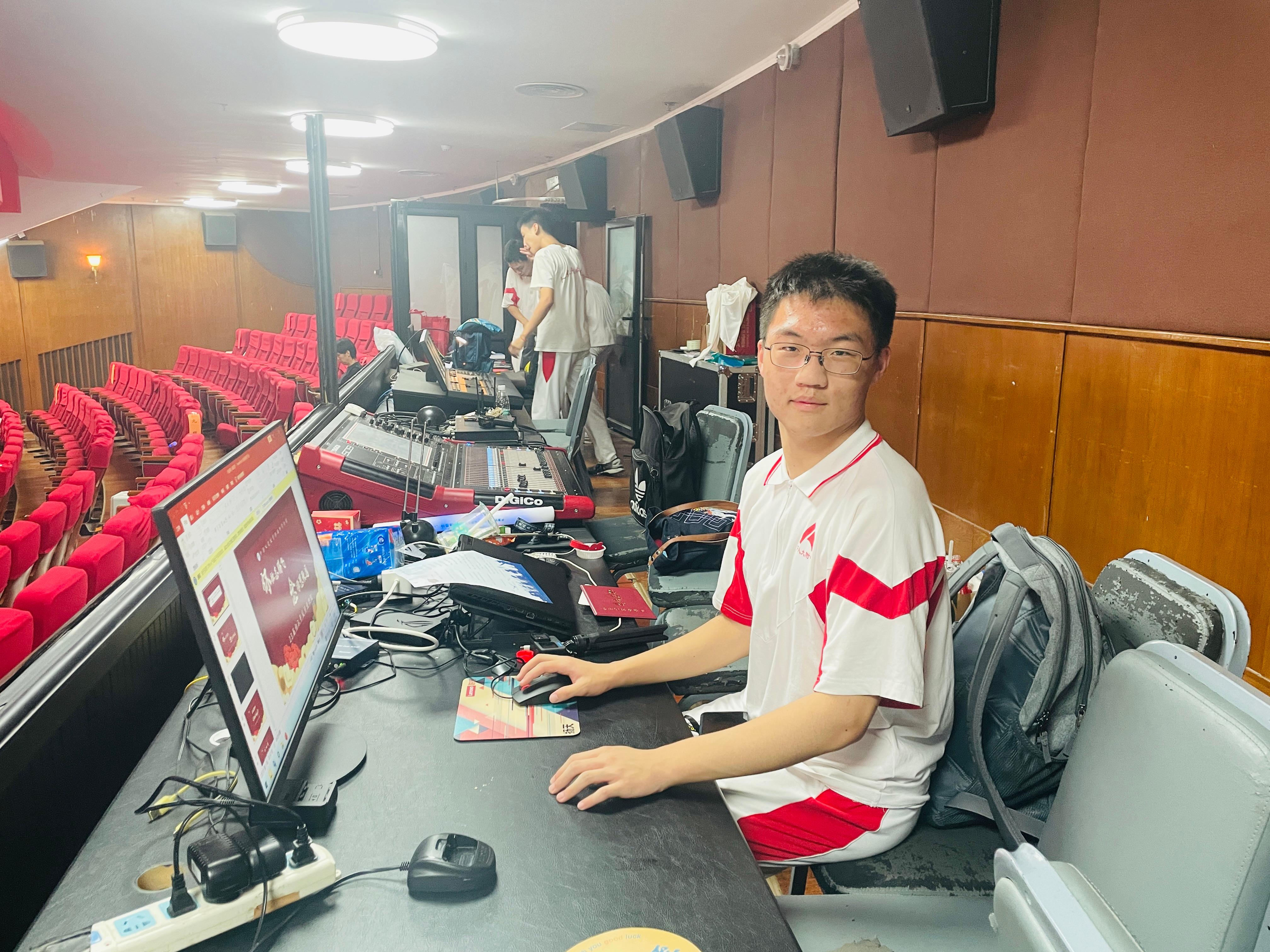
Once we had these systems in place, everything changed. Our teams stayed in sync, and the trust level went way up. The actors didn’t have to worry about the lights missing their entrances, and my tech crew felt confident they knew exactly when to make things happen.
By the end of it, I realized something important: teamwork isn’t automatic—it has to be built. Leaders need to both plan ahead and speak up when things aren’t working. And when people respect each other’s roles, things just click.
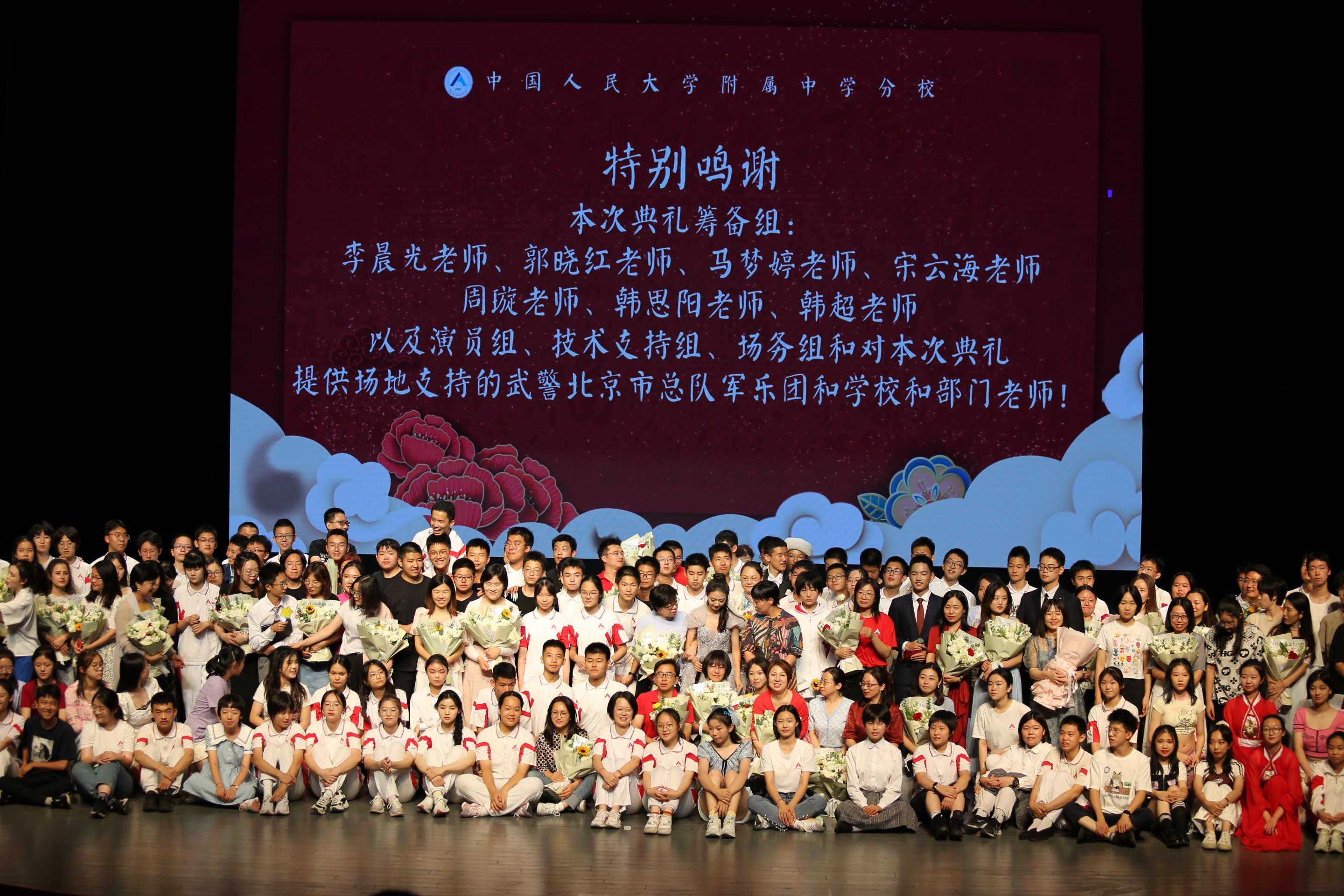
Looking back, my little “engineering project” wasn’t just about wires, lights, and speakers—it was about people. And honestly? Learning to manage teams in a high-pressure setting felt just as exciting as pulling off the show itself.